You Are the CEO of Your Career

Let’s talk about something you already know but maybe haven’t said out loud yet.
If you’re waiting for your employer to map out the next step in your career, you’re going to be waiting a long time.
I’m not saying this to be harsh. I’m saying it because it’s true, and pretending otherwise doesn’t serve you.
You are the CEO of your career now. Not your manager. Not HR. Not some mythical career development program that may or may not exist at your company.
You.
And here’s the thing about being a CEO: you don’t get to wait until everything feels stable to make strategic decisions. You make them now, while you still have options.
What Being CEO of Your Career Actually Means
When you’re managing your own career, you can’t afford to be passive. You can’t hope someone notices your hard work and rewards it appropriately.
That’s not pessimism. It’s realism.
Market shifts happen. Companies restructure. Budgets get cut. Leadership changes. Industries evolve overnight. None of this is within your control.
But your preparedness? That’s entirely within your control.
Being the CEO of your career means you:
- Make intentional decisions about where you’re headed (not just where you are)
- Stay prepared even when things seem stable
- Build a Plan B before you need it
- Take ownership of your growth
- Stop waiting for permission to invest in yourself
What Actually Matters When You’re Managing Your Career Strategically
Think Like a Free Agent (Because That’s What You Are)
Your relationship with work has changed, whether you’ve acknowledged it or not. Job security isn’t guaranteed. Loyalty isn’t rewarded the way it used to be. The unspoken contract between employers and employees? It’s been rewritten.
So, stop thinking like an employee hoping for the best. Start thinking like a professional with valuable skills and real options.
Even if you are one of the leading business performers, this means evaluating opportunities based on fit, not just availability. It means:
- Negotiating from a position of knowing your worth.
- Recognizing that you’re not being disloyal by keeping your resume updated, you’re being smart.
Your resume isn’t something you dust off when you’re desperate. It’s a strategic tool that helps you stay clear on what you offer and what you’re worth. Keep it current. Always.
Stay Current (Because Nobody Else Will Do This for You)
The skills that made you valuable five years ago might not carry the same weight today. That’s not a judgment, it’s just how fast things move now.
Staying relevant means continuous learning, but not in some overwhelming “master everything” way. It means paying attention to shifts in your field. Understanding technologies that impact your work. Maintaining the adaptability that lets you pivot when the ground shifts.
You don’t have to become an expert in everything new. But you do need to stay aware. Because the workplace won’t slow down to wait for you to catch up.
Build Your Network Before You Need It
Most opportunities don’t come from job boards. They come from people who know you, trust you, and think of you when something opens up.
- Your network isn’t a safety net you build when you’re desperate. It’s something you nurture continuously, because relationships take time, and you can’t rush trust.
Stay connected with former colleagues. Engage authentically in your professional community. Be genuinely interested in others’ success. When you approach networking as relationship-building instead of transaction-hunting, it becomes both more effective and significantly less awkward.
Your Online Presence Is Already Working For or Against You
Let’s be direct: whether you’re actively managing your online presence or not, it exists. And it’s shaping how people perceive you professionally.
LinkedIn isn’t optional anymore. It’s your professional storefront. What shows up when someone searches your name matters. The expertise you demonstrate (or don’t) online contributes to your reputation.
- Your online presence should reinforce the value you bring and the professional you’ve become.
You don’t need to become a content creator or thought leader. But you do need to be intentional.
Think Long Term: Why Career Decisions Should Be Made With a 5-10 Year View
Every role you take, every skill you develop, every decision you make, they’re all part of your larger career story.
Instead of just focusing on your next job, ask yourself: Where do I want to be in five years? Ten years? What experiences do I need to get there? What skills should I be developing now?
- Not every opportunity that comes your way serves your larger goals. This long-term perspective changes how you make decisions in the moment.
Being the CEO means having the clarity to say yes to the right things and no to the wrong ones, even when the wrong ones look tempting in the short term.
How Modern Hiring Works—and Why Your Resume Still Matters
You need to know how Applicant Tracking Systems work. Most companies use software to screen resumes before any human sees them.
This isn’t about gaming the system, it’s about understanding how modern hiring works so you’re not accidentally screening yourself out before you even get a chance.
- And yes, it needs to be optimized for how companies actually review candidates today.
Your resume needs to showcase your evolving expertise, highlight relevant accomplishments, and clearly communicate your value.
Why This Matters Right Now
The professionals who thrive aren’t necessarily the most talented or the most experienced.
- They’re the most prepared. They create options before they’re backed into a corner with none.
They see change coming and adjust before they’re forced to. They build skills before they desperately need them. They nurture relationships before they require them.
That’s not luck. That’s strategy.
Let’s Be Honest About Where You Are
If you’re reading this and feeling some combination of recognition, discomfort, and “I know I should be doing more, but I’m not sure where to start,” you’re in good company.
Most professionals know they should be more proactive about managing their careers. But knowing and doing are different things.
The gap between them? It’s usually clarity.
You can’t strategically manage your career if you’re not clear about where you are right now. Not where you were five years ago. Not where you think you should be. Where you actually are.
What are your current strengths—the ones you lean on most today? What matters to you now professionally? Where do you feel misaligned, even if you can’t quite articulate why?
These aren’t rhetorical questions. They’re the starting point.
- I created a Career Clarity Mini-Workbook specifically for this. It takes about 15 minutes, and it’s designed to help you reconnect with who you are professionally right now, the person you’ve become, with the experience and wisdom you’ve gained. You can download it for free.
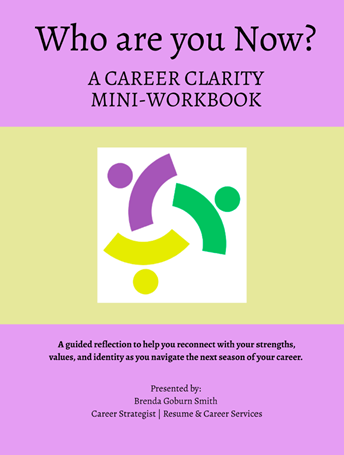
No fluff. No theoretical exercises. Just thoughtful questions that help you see yourself more clearly.
Because being the CEO of your career starts with actually knowing what you’re working with.
Download it. Complete it. See what it reveals.
Managing your career strategically often requires more than good intentions—it requires clarity, sometimes guidance, and definitely a plan. If you’re ready to move from knowing you should do something to actually doing it, I’d welcome the opportunity to talk. Let’s discuss where you’re headed.

Related Posts

Resume Writer, Career Coach, or Life Coach? How to Know What You Actually Need

Your Career May Need a Mirror: Why Career Reviews Matter

Start Positioning Your Career for 2027 Now