What Will Everyone Think? The Real Reason Established Professionals Fear Changing Careers.

You’ve spent years, maybe even decades, building something real, a reputation, a track record, a professional identity that others know and respect. But now, something inside you has changed.
Maybe it began with a sense of restlessness—a thought you brushed off as just a tough week. But it kept coming back. The work that once excited you now feels empty. The career you once wanted no longer fits. Or perhaps you have an unfulfilled dream in another destination.
Still, you haven’t made a move. It’s not that you don’t know what you want. It’s that you’re unsure how to explain it to others, and you imagine their reactions.
What will your colleagues think?
What will your family say?
Will your peers see this as a step backward?
Will your professional network question your judgment?
Will you lose the credibility you spent years earning?
If these questions are keeping you stuck, you’re not alone. They aren’t signs of weakness. They show you understand what’s at stake and that you want to handle this thoughtfully.
The Unique Weight of a Career Change When You’re Already Established
There’s a special kind of pressure that comes with changing careers after you’ve already built something. For recent graduates, making a change is expected or even admired. But for someone with fifteen or twenty years of experience, it can feel much riskier.
You have more to explain, more history to rethink, and more people paying attention. It can feel like there’s more to lose.
Your anxiety isn’t irrational—it makes sense. The longer you’ve been on one path, the more noticeable it feels to step away from it.
The professional identity you’ve built didn’t happen overnight and changing it doesn’t happen overnight either.
Many people don’t realize that worrying about others’ reactions can be more overwhelming than making the decision itself. Deep down, you might already know what you want. The real challenge is figuring out how to share it with your family, colleagues, network, and the new community you’re joining.
The Voices in the Room (Even When the Room Is Empty)
When established professionals contemplate a career change, they rarely face a single audience. They face several simultaneously, each with its own expectations.
Your family may have a financial stake in your stability, or simply an emotional investment in the future they imagined alongside you. Their concern may come from love, not doubt. But it can feel like doubt.
Your colleagues and peers know you in a certain way. Changing careers means they have to adjust how they see you, and people naturally resist changing their views.
Your professional network, mentors, clients, and industry contacts may see your expertise as something they rely on. Changing direction can unsettle them, even if it’s the right move for you.
Then there’s the new field, industry, or role you’re considering. Entering unfamiliar territory as an experienced professional can feel uncomfortable. You’re not used to being the one who doesn’t have all the answers.
Each group needs a different approach. But all your communication should start with something many people overlook: being clear about why you’re making this choice. You might need someone to listen as you talk it through—like a career coach or strategist. That’s where I come in, book a no-obligation career clarity phone call.
Clarity Comes Before Communication
After two decades of working with accomplished professionals, I’ve learned that anxiety about others’ reactions usually comes from not being fully sure about your own decision.
When you’re truly clear about your direction—your values, strengths, and purpose—sharing your career change feels much less scary. It’s not effortless, but it’s manageable.
The professionals I see struggle most with the “what will everyone think” question are often those who haven’t done the introspection work yet. They haven’t explained why this change makes sense or figured out what they’re moving toward—only what they want to leave behind.
That difference is important. Moving away from something is just a reaction. Moving toward something is a choice. Choices based on self-knowledge and strategy are much easier to explain and stand by.
How to Think About the Listener’s Perspective
When you’re ready to share your plans with family, peers, or colleagues, think about what each group needs to hear—not just what you want to say.
Your family needs to know you’ve thought this through. They want to hear not just what you’re leaving, but what you’re gaining and why this new path fits who you are. Being specific reassures them; being vague makes them worry.
Your professional peers want to see continuity, not a break. Even a big career change doesn’t mean leaving your whole identity behind. Usually, your skills, judgment, and reputation go with you. Your job is to help others see that.
The new professional community you join needs to see what you offer that others don’t. This is where reviewing your career history can be an asset, if you present it well.
My proprietary personal branding framework used with clients becomes invaluable. It helps them to not only package their strengths and value, but it also helps them succinctly present who they are and what they do well.
You don’t need to over-explain or justify your choice. You just need to be clear, confident, and intentional about how you share your direction.
Change Is Not a Confession. It’s a Decision.
Here’s an important shift in thinking: a career change isn’t something that just happens to you. It’s something you choose with intention, reflection, and a plan.
When you see it this way, your conversation with family changes from “I’m not sure what’s happening to me” to “Here’s where I’m headed, and here’s why.” That change in attitude shows confidence, even before you say a word.
Remember, almost every part of your life, at work and at home has already changed over time. The career you’re leaving isn’t the one you started, and you’re not the same professional you were ten years ago. Change isn’t rare in a meaningful career; it’s the norm.
The real question isn’t if you’ll change, but whether you’ll do it on purpose or just let it happen.
The First Step Is Internal
Before you talk to your family, update LinkedIn, or start networking and revising your documents, there’s one step most people miss.
You need to understand your own story clearly enough to tell it.
This means looking at your career identity—not just your job history, but your values, strengths, and the skills that connect everything you’ve done. It’s about knowing what you’re moving toward and why, and putting that into words that are clear, confident, and truly yours.
That’s not resume writing. That’s career strategy.
The self-reflection exercises included in my personal branding process give you a solid foundation for launch. But it all starts from within. Once you have that foundation, everything else falls into place—your documents, your positioning, your conversations, and your clarity.
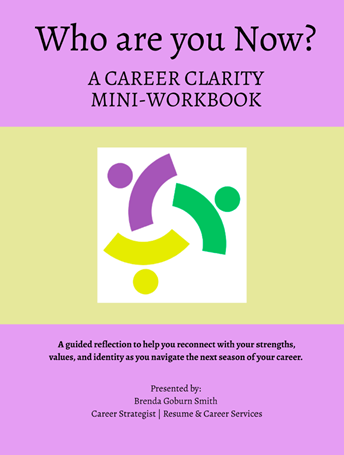
If you’re ready to start, download the free mini-workbook, “Who Are You Now?” It’s a practical guide to help you reflect on who you are professionally now and what you’ve built.

Related Posts